
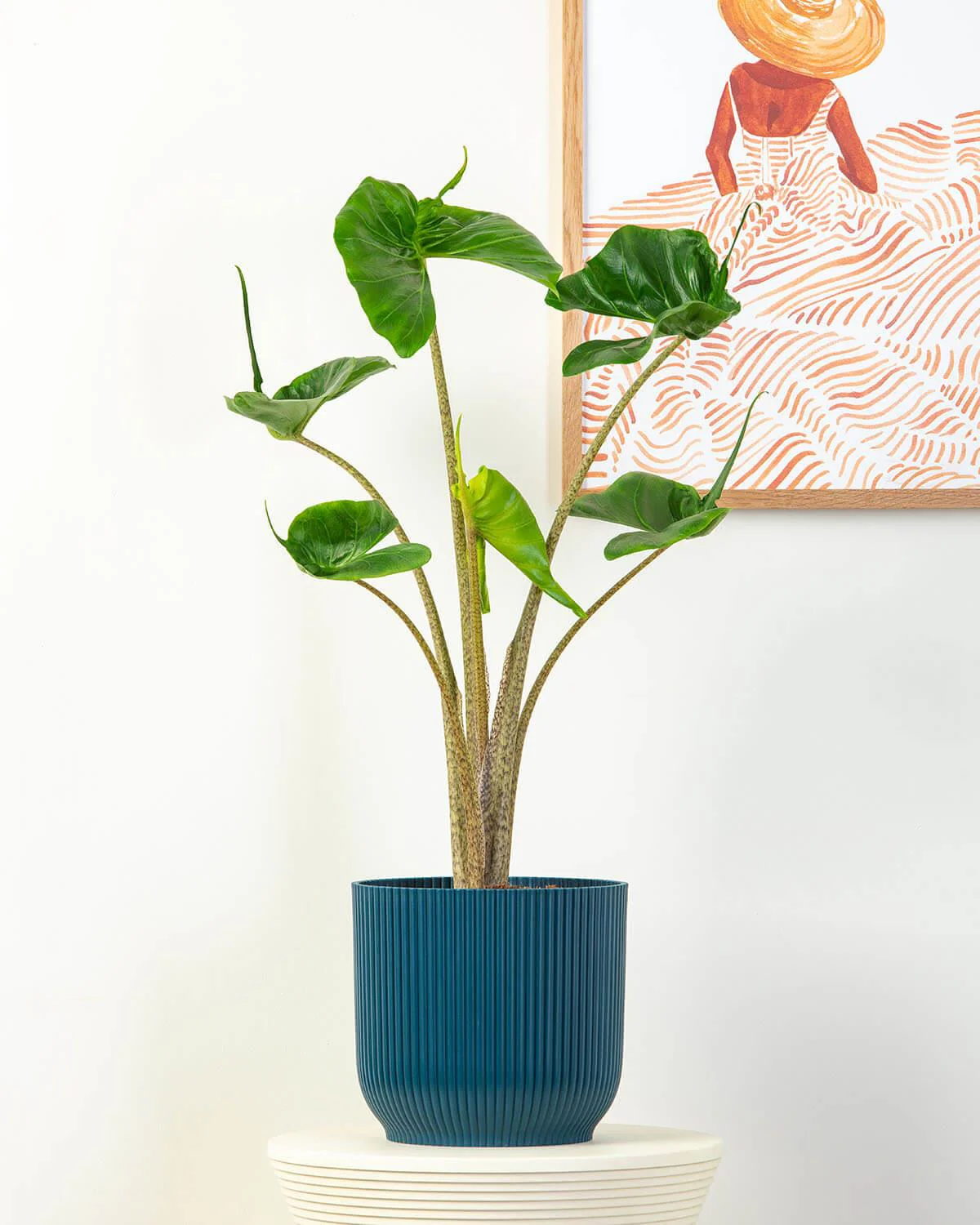
Stingray Elephant Ear
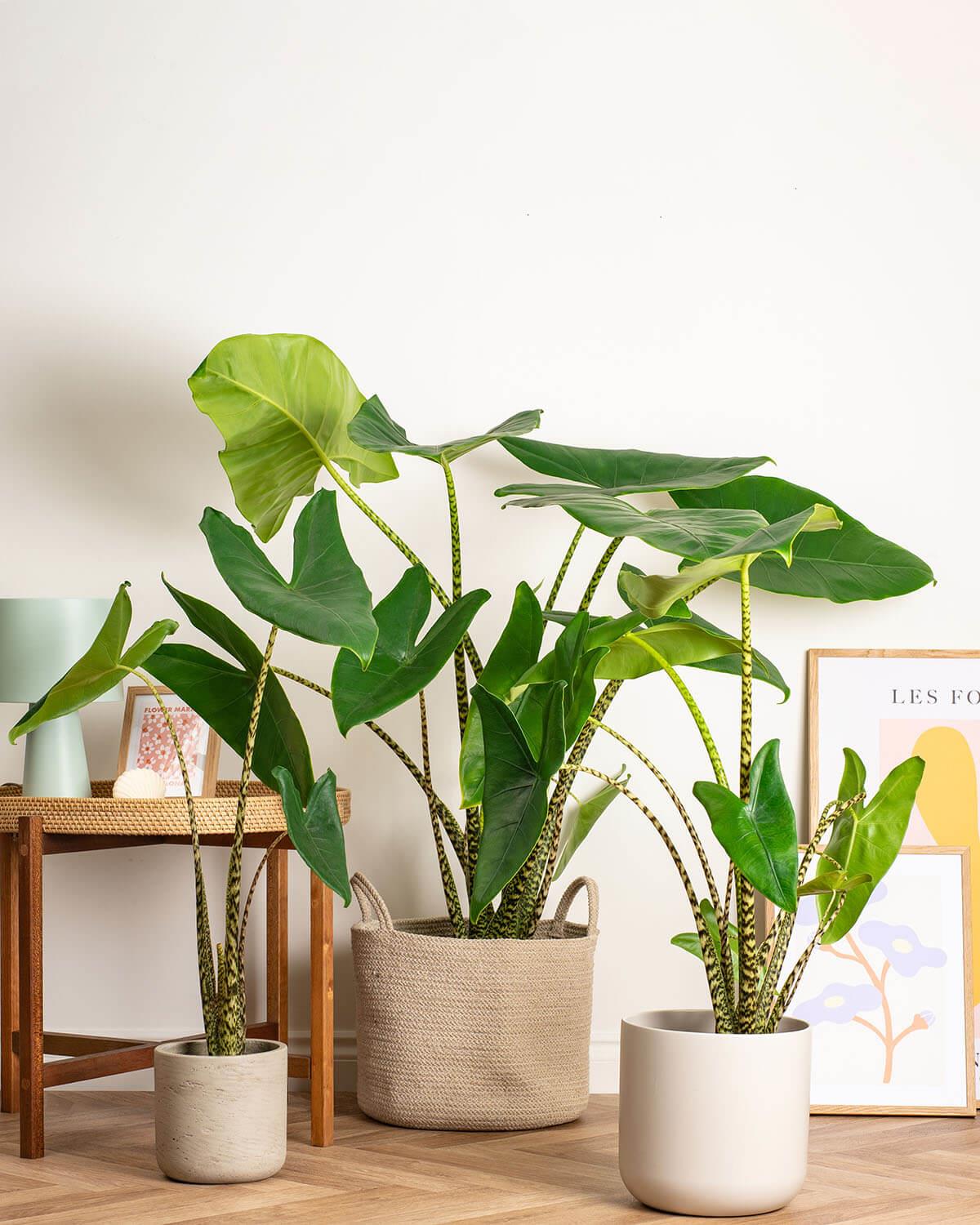
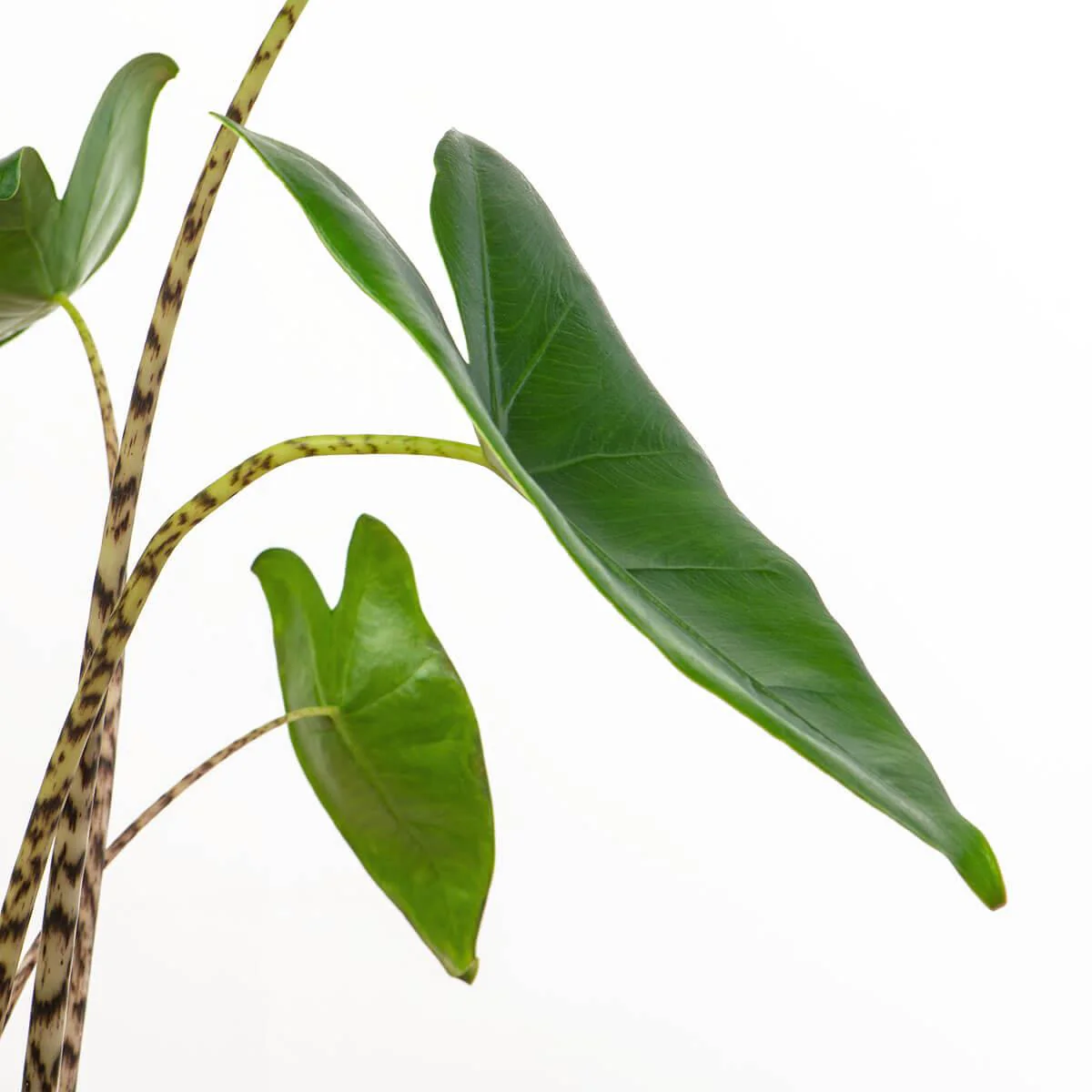
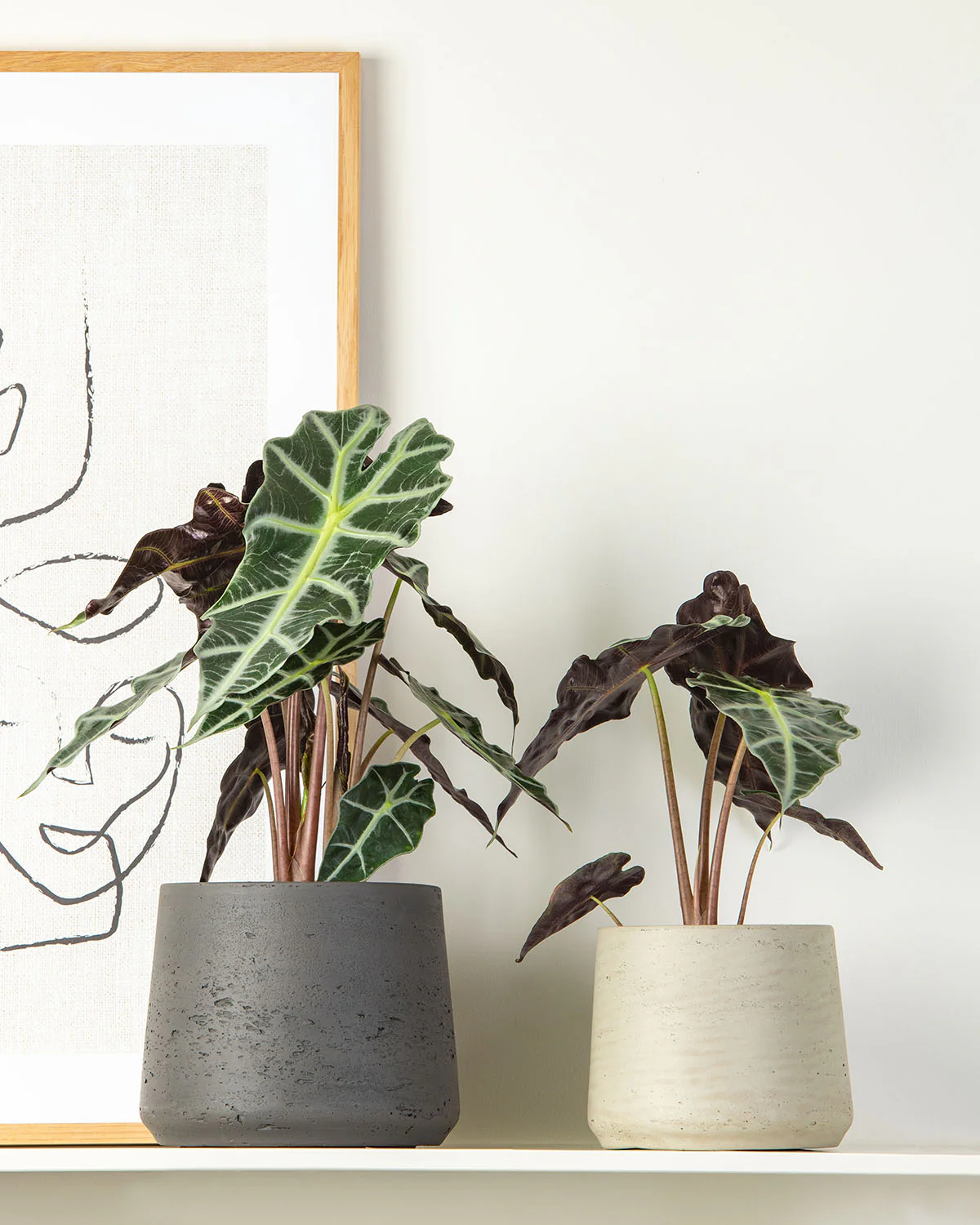
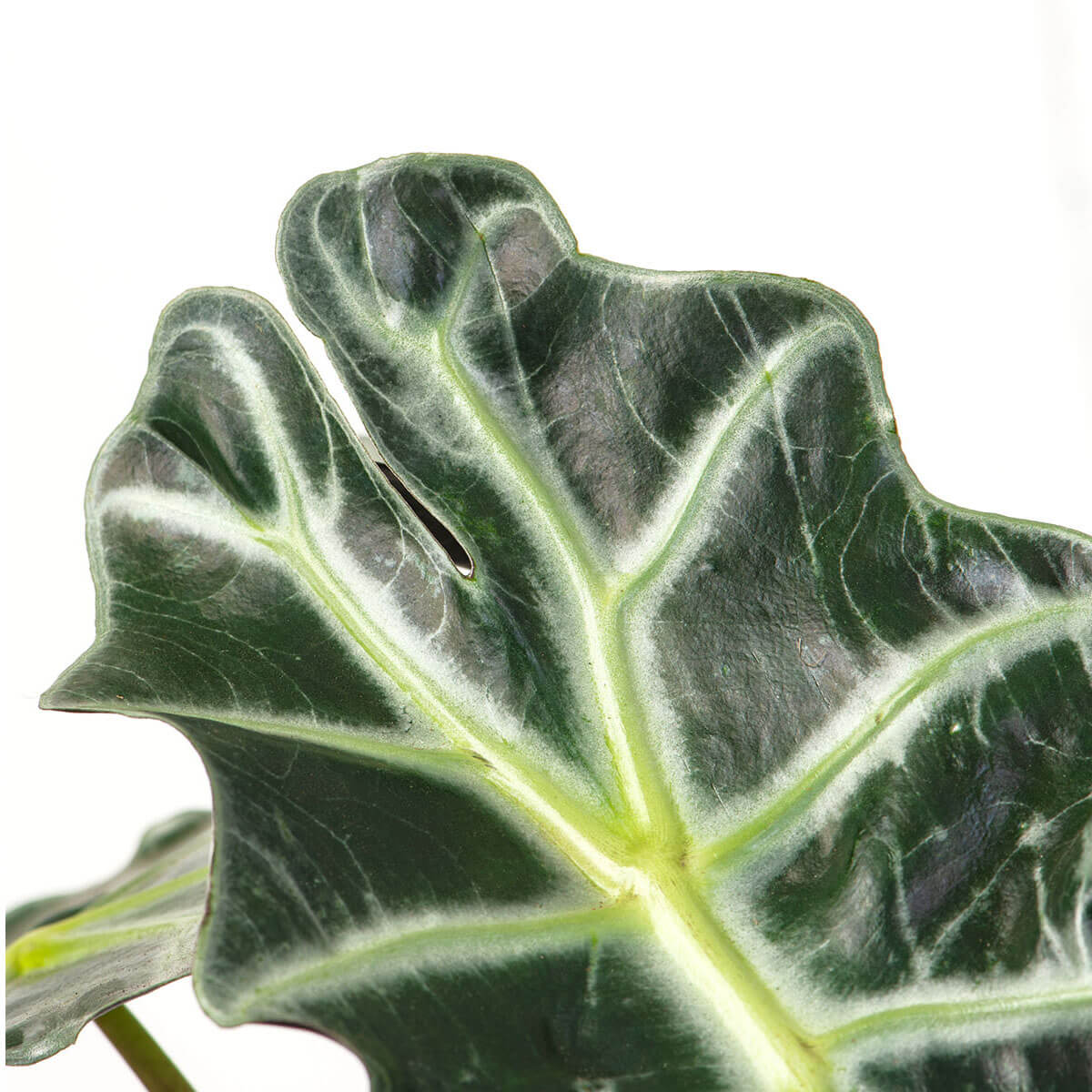
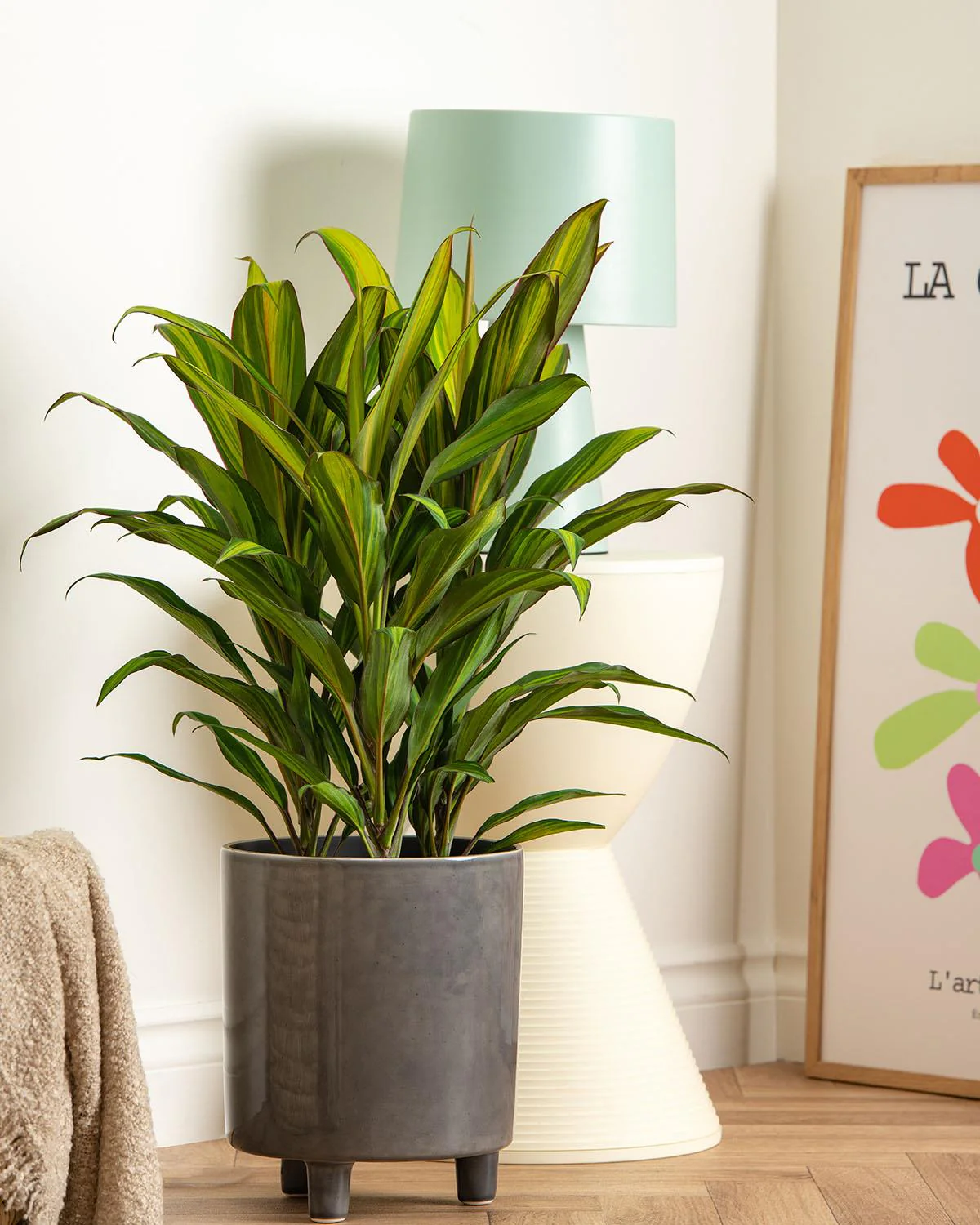
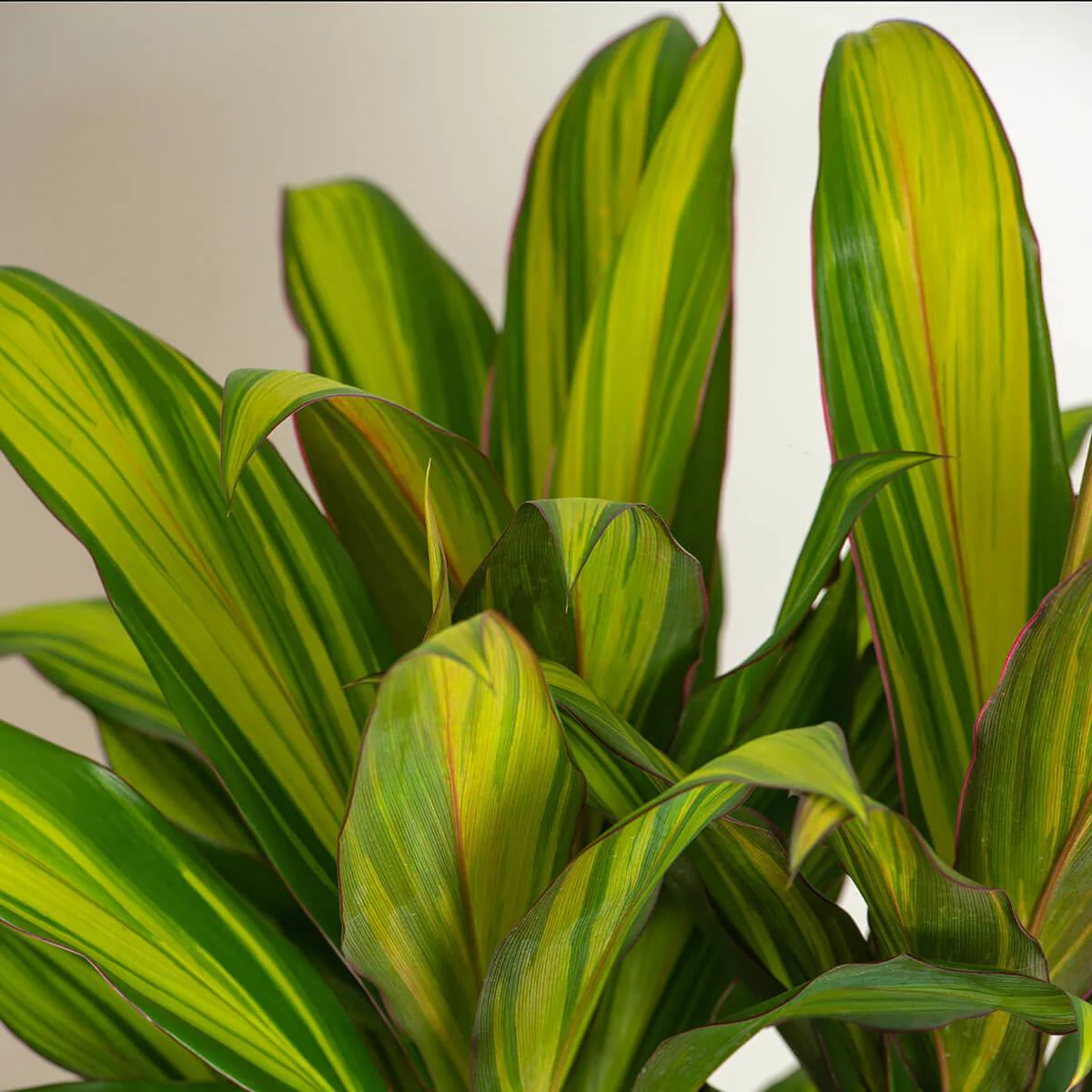
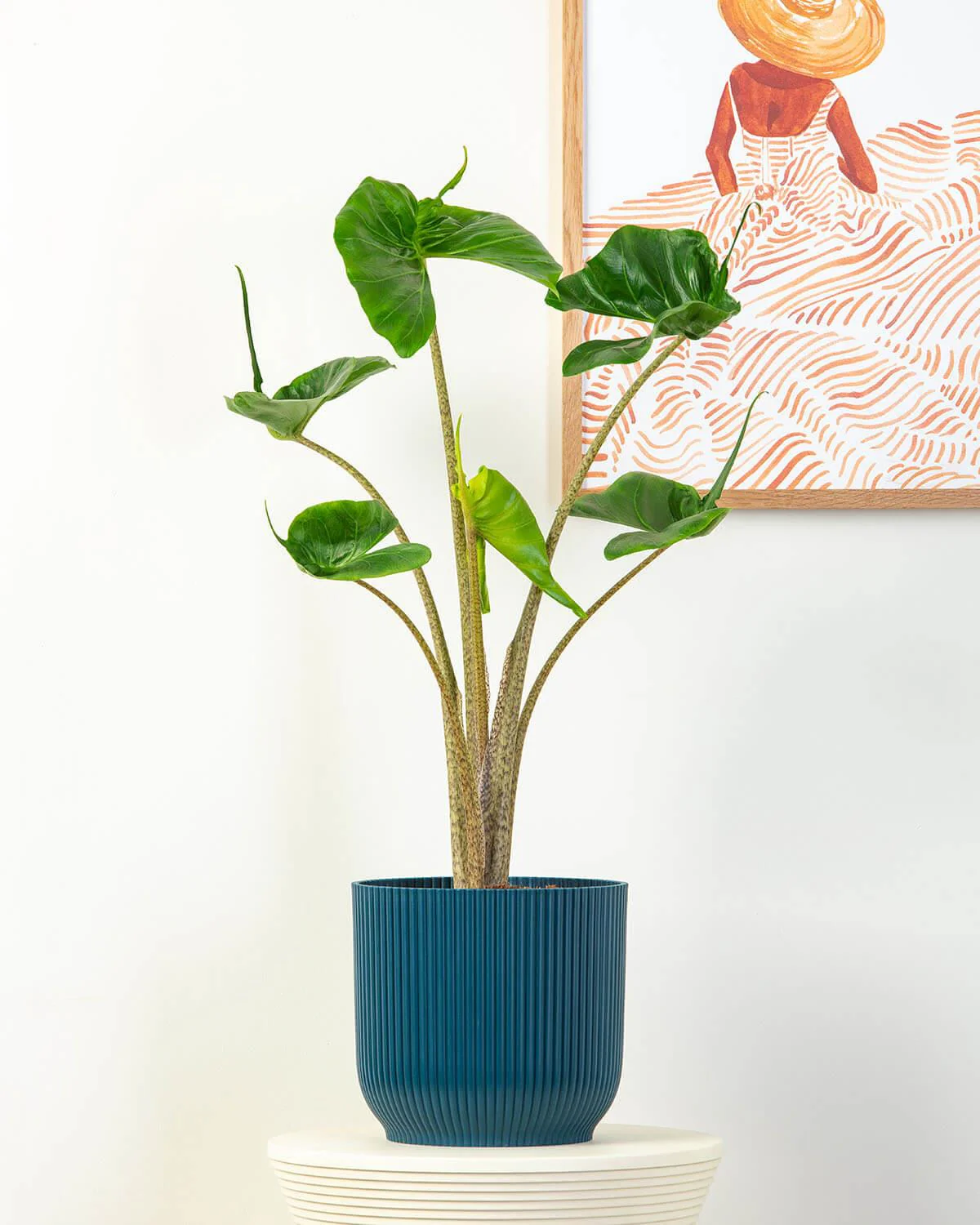
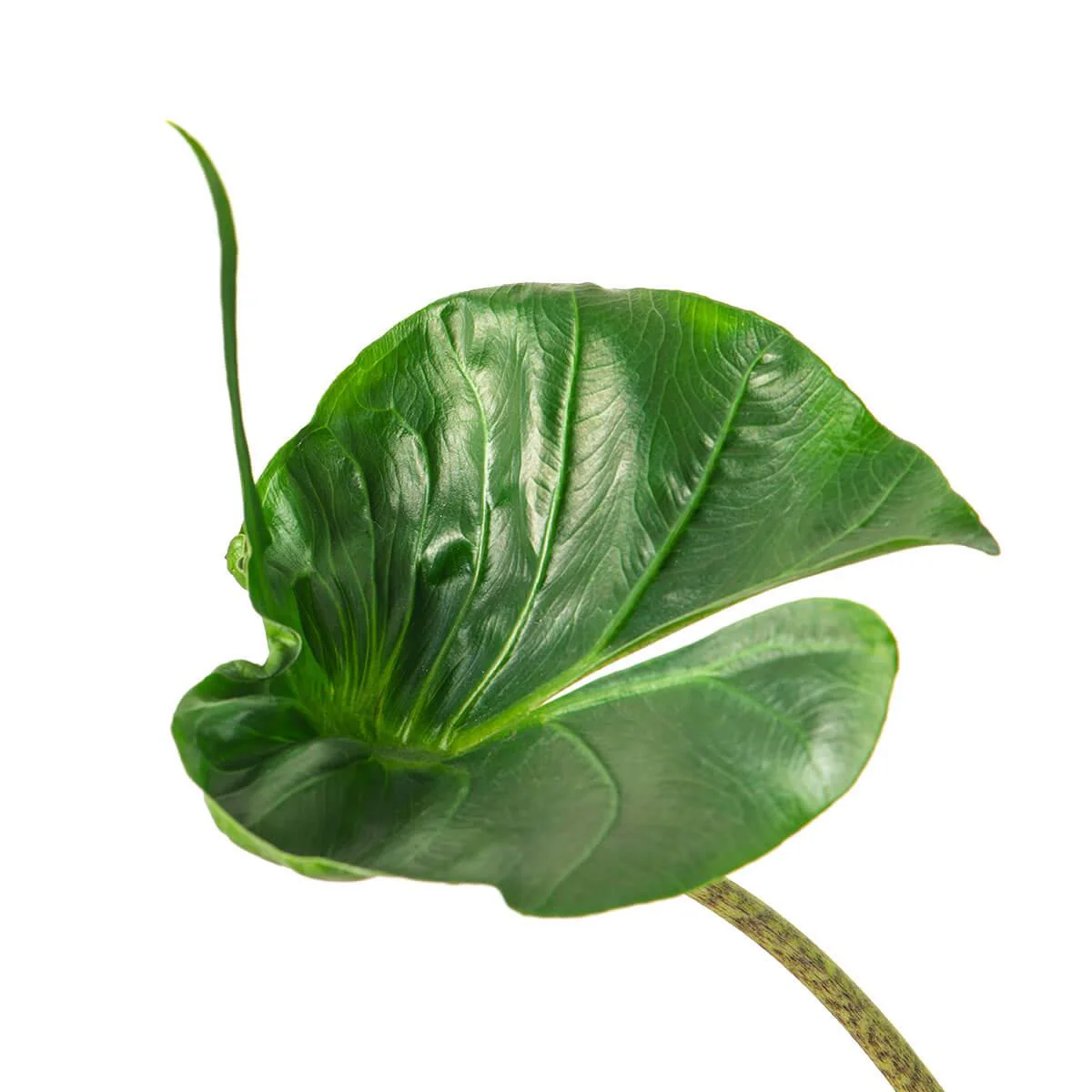
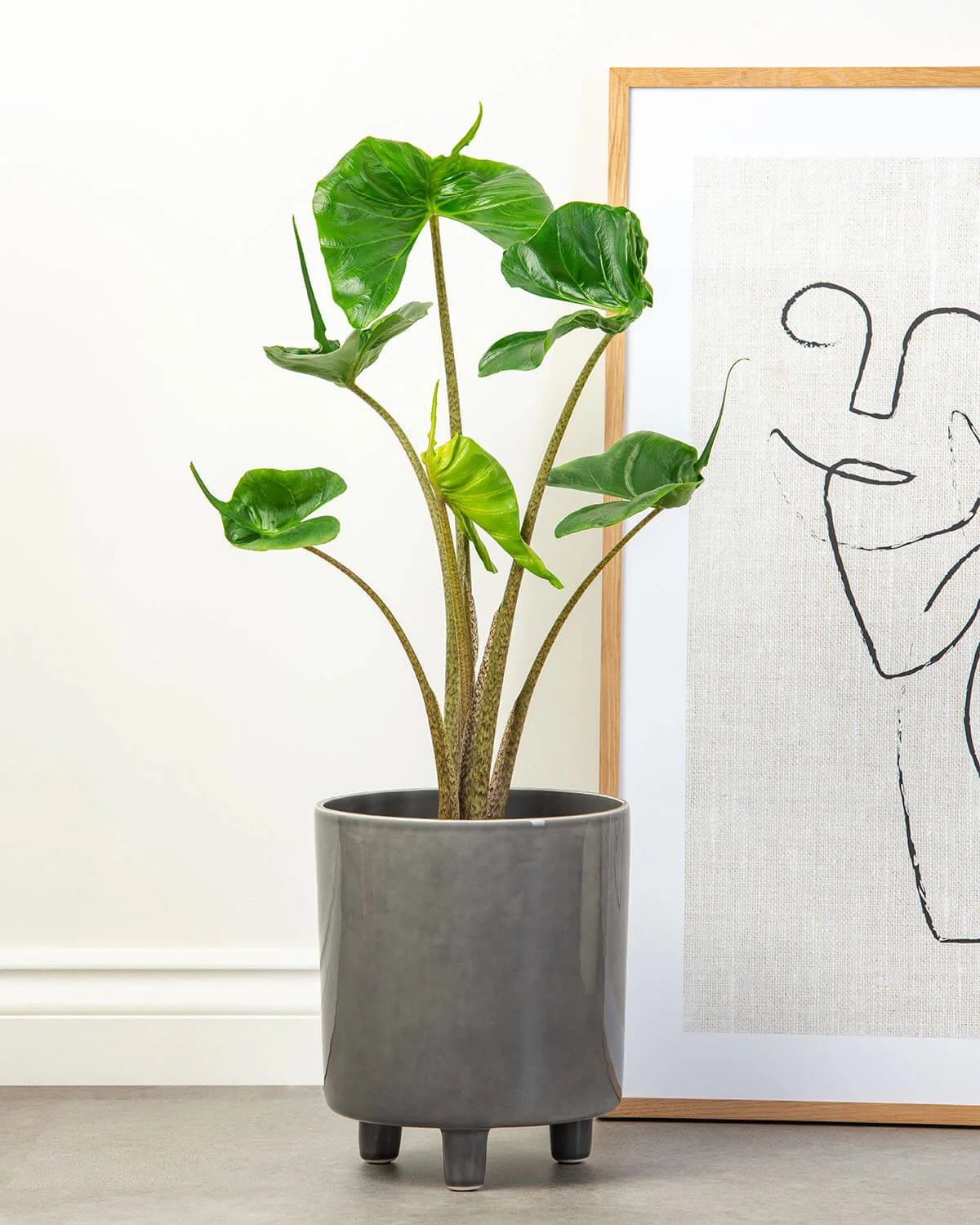
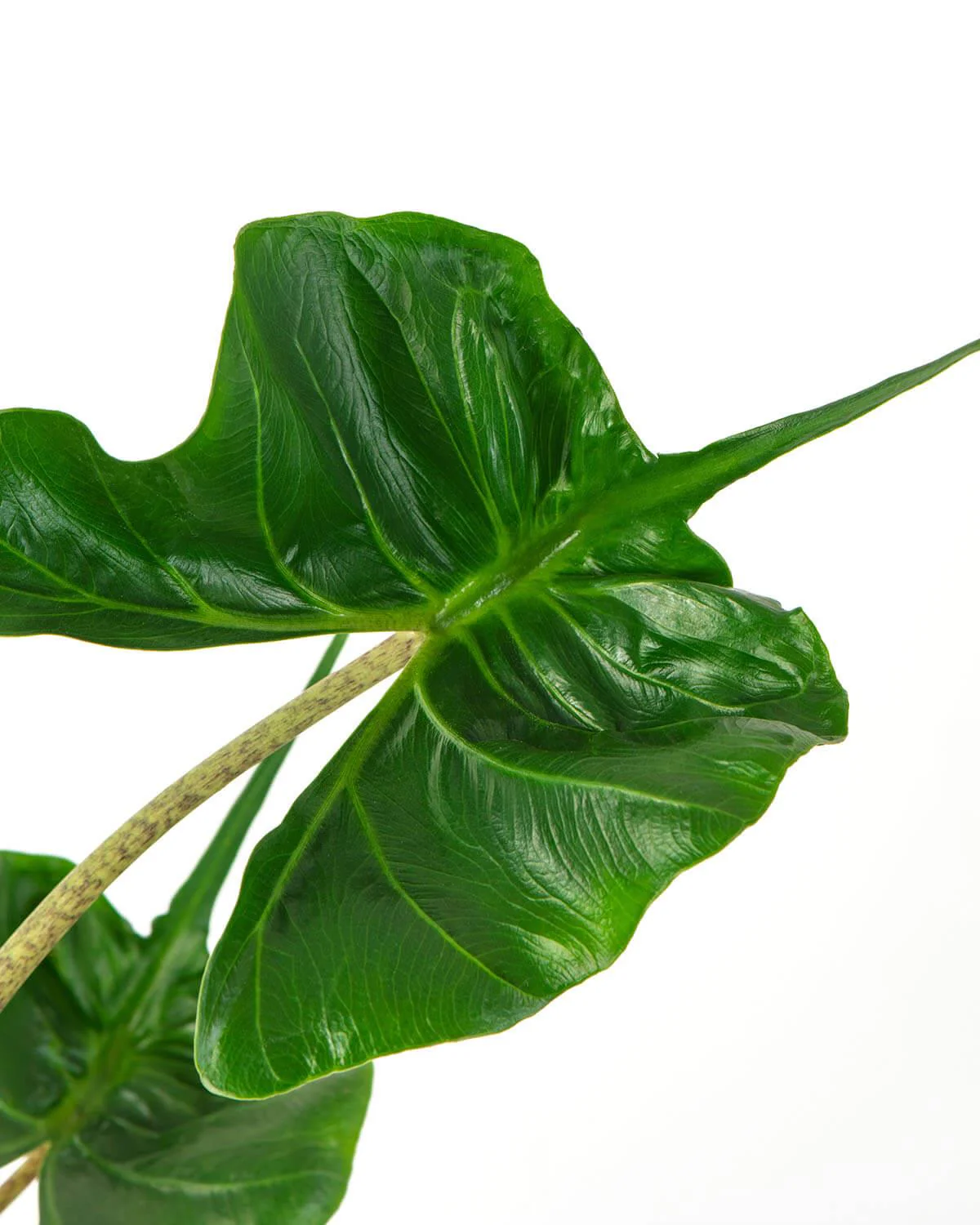
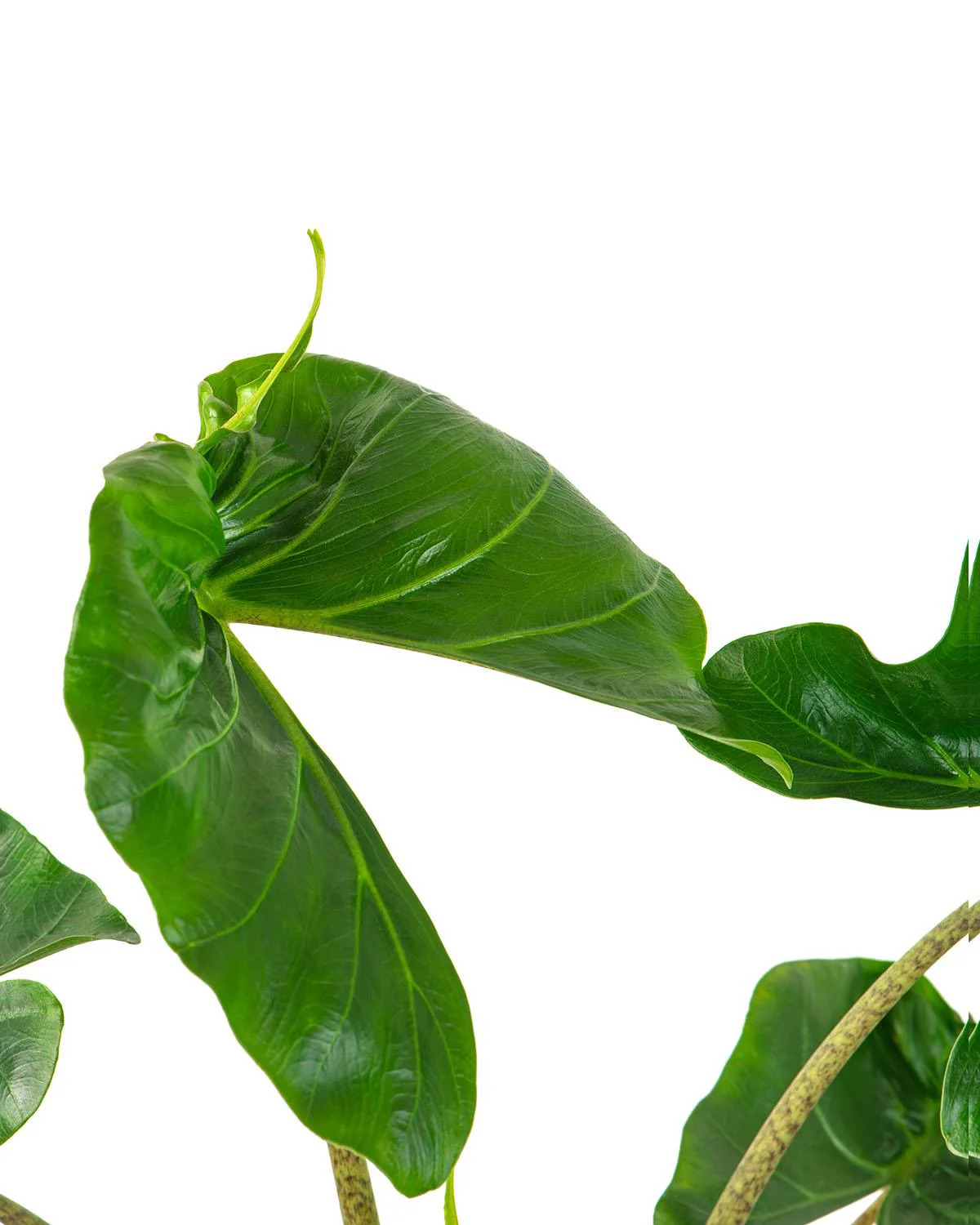
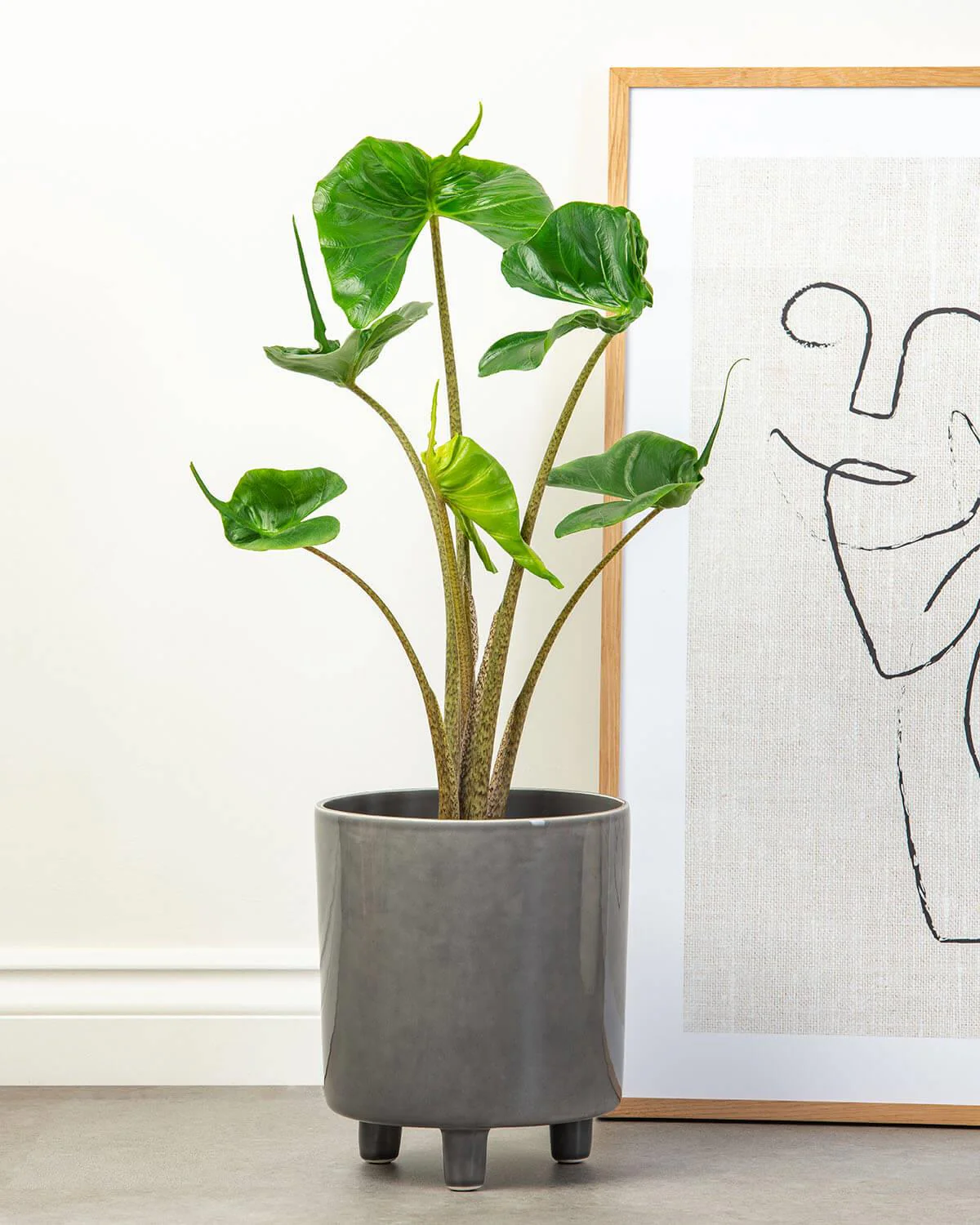
Originally from Southeast Asia, Alocasia Macrorrhiza Stingray is more commonly known as the Elephant Ear plant or Giant Taro. They are called this due to their large, green leaves that resemble an elephant's ear. You may also see them referred to as the Stingray Plant because of their unique leaf shape.
Tall and low-maintenance, the Alocasia plant likes to be kept in bright, indirect sunlight. Much like their big-eared namesake, the Elephant Ear plant can get pretty big, pretty fast - up to 4.5m. They are great in large spaces, but keep in mind they love humidity - we think the bathroom or kitchen are perfect environments for your Elephant Ear to call home! Curious pets and little budding Pricklettes need to stay away from them though as they're toxic to animals and children.
Stingray Plant care is easy. Give them a regular mist and water, and a monthly feed in the growing months to keep them happy. If the leaves are yellowing, you have over-watered them or, if they start to brown, there’s an issue with the environment. Try adjusting the light, temperature, and humidity.
At Prickle, we are always here to hear you! Send us your Elephant Ear questions @Prickleplantsuk.
Product Information
Product Information
Shipping & Returns
Shipping & Returns
Description
Originally from Southeast Asia, Alocasia Macrorrhiza Stingray is more commonly known as the Elephant Ear plant or Giant Taro. They are called this due to their large, green leaves that resemble an elephant's ear. You may also see them referred to as the Stingray Plant because of their unique leaf shape.
Tall and low-maintenance, the Alocasia plant likes to be kept in bright, indirect sunlight. Much like their big-eared namesake, the Elephant Ear plant can get pretty big, pretty fast - up to 4.5m. They are great in large spaces, but keep in mind they love humidity - we think the bathroom or kitchen are perfect environments for your Elephant Ear to call home! Curious pets and little budding Pricklettes need to stay away from them though as they're toxic to animals and children.
Stingray Plant care is easy. Give them a regular mist and water, and a monthly feed in the growing months to keep them happy. If the leaves are yellowing, you have over-watered them or, if they start to brown, there’s an issue with the environment. Try adjusting the light, temperature, and humidity.
At Prickle, we are always here to hear you! Send us your Elephant Ear questions @Prickleplantsuk.